
[2026 Guide] Criminal Defense Lawyer’s Sexual Offense Case in Korea Guide: Michael’s Unjust Accusation [LIBRO, English Speaking Lawyer]
Hello! I am a criminal defense lawyer in Korea, specializing in protecting the rights of the international community and uncovering the truth in complex sexual offense cases.
This post outlines practical defense strategies for foreign defendants accused of Quasi-Rape or Quasi-Indecency—cases where the accuser claims they “do not remember” the incident—as well as for the legal counsel representing them.
Case Study: Michael’s Unjust Accusation
Michael, a graduate student from the U.S., went out for drinks with his colleague, “A.” After several rounds, “A” mentioned it was difficult to get home, so Michael suggested resting at a nearby motel, to which “A” agreed. The next day, “A” filed a police report, stating, “I have absolutely no memory of last night; I think I was raped.” Michael claimed “A” was conscious and acted voluntarily, but due to his limited Korean, he struggled to present a proper defense. How can Michael prove his innocence?
Key Legal Issues in this Case:
- Was “A” in a state of mental/physical incapacitation or inability to resist at the time?
- Did Michael have the intent to take advantage of such a state?
- How can objective evidence be gathered to refute the claims?
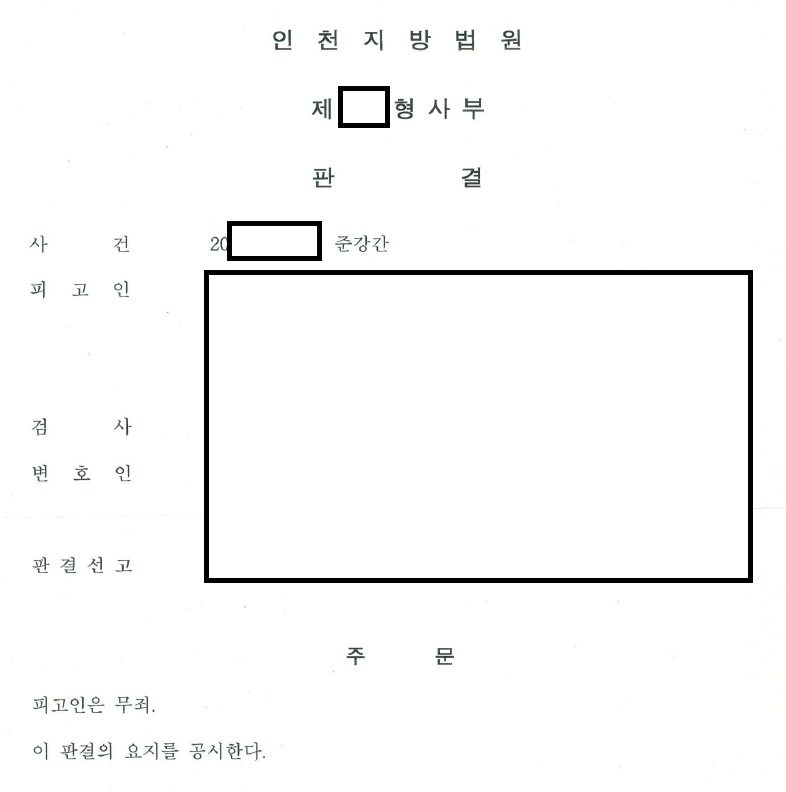
This is a formal judgment from the Incheon District Court officially declared a defendant not guilty in a case of quasi-rape, further ordering that a summary of the acquittal be publicly announced.
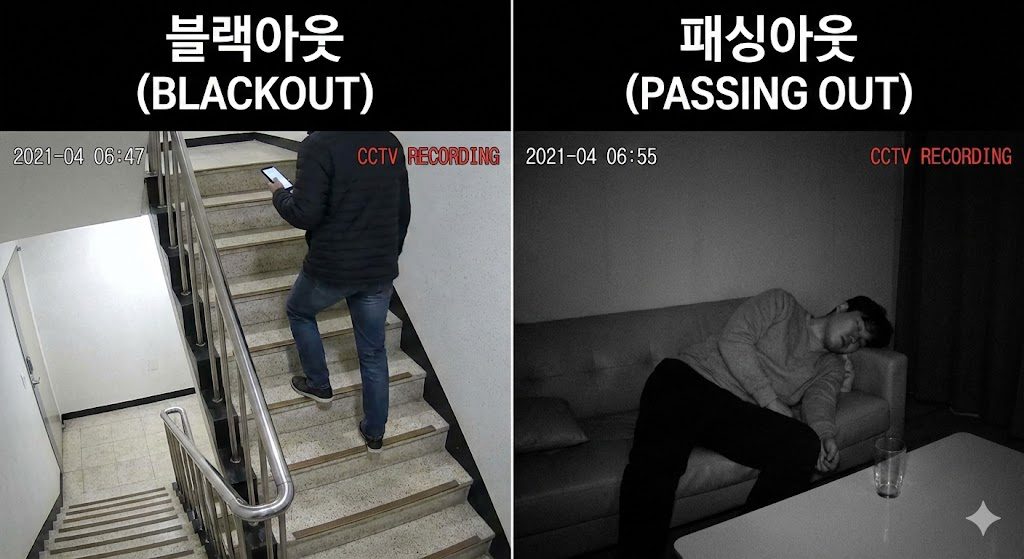
1. Critical Legal Concepts: Black-out vs. Passing-out
To build a defense, you must understand how Korean courts distinguish between different states of intoxication.
- Alcohol Black-out (Memory Loss): This refers to a failure in the brain’s memory encoding process due to alcohol. The Supreme Court has ruled that in this state, there is a failure of memory formation only; it is difficult to acknowledge a major impairment of cognitive functions or the state of consciousness itself. Essentially, the person was conscious and capable of action at the time but cannot remember it later.
- Passing-out (Mental/Physical Incapacitation): This is a state of lost consciousness, such as falling into a deep, alcohol-induced sleep. In these cases, a state of “mental or physical incapacitation” is typically recognized.
- Inability to Resist: In quasi-rape cases, this refers to a state where resistance is psychologically or physically impossible or extremely difficult due to reasons other than mental/physical incapacitation. The court notes that simply “not refusing” or being “passive” does not automatically constitute an inability to resist.
Important Premise: This guide focuses on defense strategies for those unjustly accused. If a sexual act truly occurs while someone is incapacitated, it is a serious crime. In practice, the best defense is to avoid any situation where “consent while intoxicated” is ambiguous.
2. Core Strategies for Proving Innocence
A claim of “no memory” does not automatically prove incapacitation. The court evaluates the amount and speed of alcohol consumption, behavior captured on CCTV, witness statements, and conduct before and after the incident.
① Proving Voluntary Action via CCTV
Courts look beyond just standing or walking. They pay attention to whether the person showed the ability to understand situations and make choices, such as during the payment process, entering a taxi destination, or the flow of conversation.
- Practical Tip: Once CCTV is secured, create a detailed timeline of “where they were and what they did” to demonstrate maintained cognitive control.
② Analyzing “Shift in Perception” in Messages
Messages sent the following day are vital.
- The Transition: Defense strategies often focus on the timeline of when a “friendly message” turns into an “accusation” after the person speaks to friends or searches the internet. Analyzing when and why the perception of “I think I was raped” first formed is key to challenging the credibility of the statement.
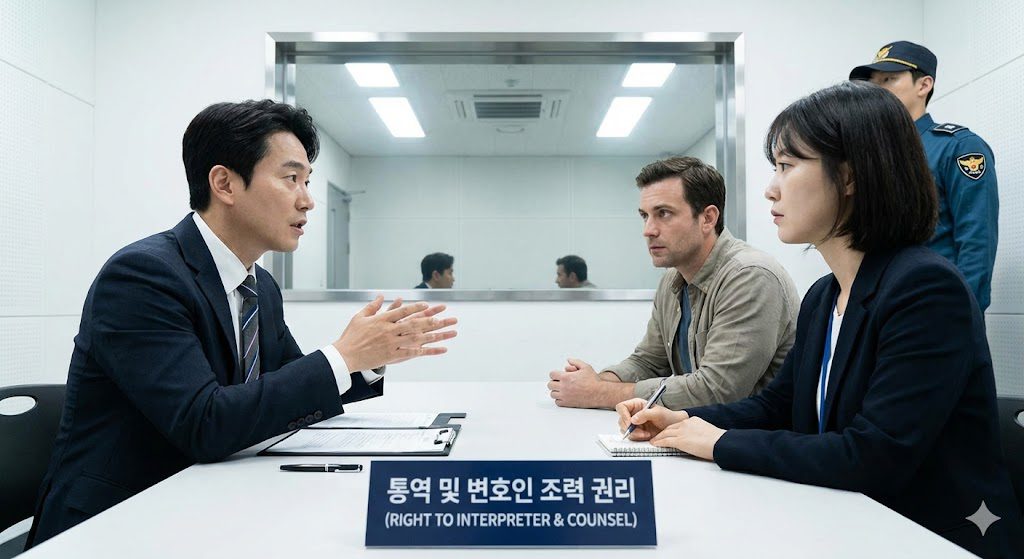
3. Procedural Rights of Foreign Defendants
Foreigners must exercise specific rights under the Criminal Procedure Act and court regulations:
- Interpretation and Translation: You have the right to request an interpreter and receive translations of major documents like the indictment or judgment.
- Verification: Before signing any protocol (investigation record), ensure the interpretation accurately reflects your words. If there is a discrepancy, demand an immediate correction on the record.
4. [Comparison Table] Intoxication Standards
| Category | Black-out (Memory Loss) | Passing-out (Loss of Consciousness) |
| Legal Judgment | Incapacitation likely denied (though “Inability to Resist” is judged separately) | High probability of recognized incapacitation |
| Court Focus | Drinking speed, post-incident behavior (walking, paying, talking), timing of the report | Level of consciousness, response to being called, total lack of memory before/after |
| Cognitive Signs | Calling taxis, making payments, normal conversation | Inability to grasp the situation, falling asleep immediately after answering name |
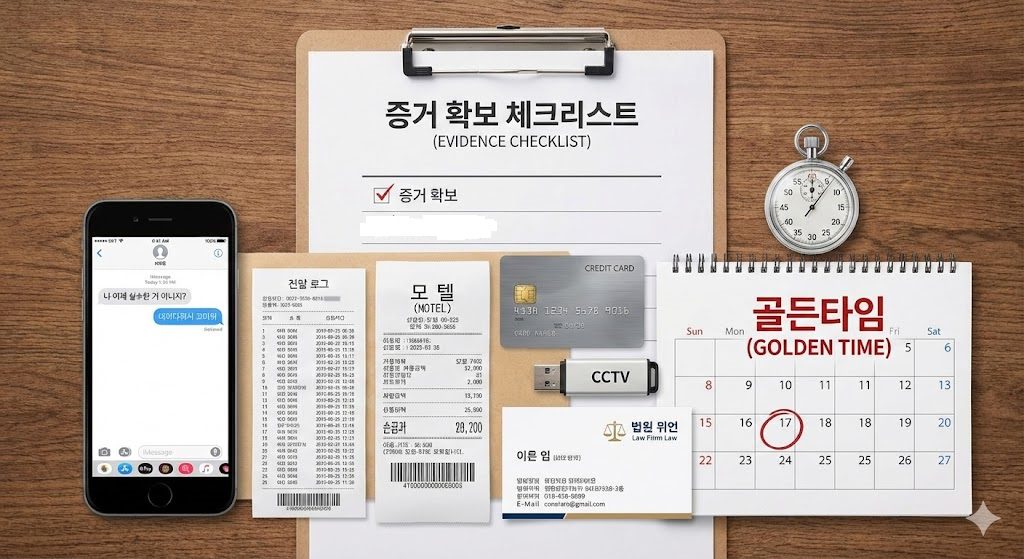
5. Immediate Post-Incident Checklist
- [ ] Secure CCTV: Businesses and motels usually auto-delete footage within 1 to 2 weeks. Prepare a written request or a warrant for seizure immediately.
- [ ] Backup Messages: Save all KakaoTalk, DM, and SMS records.
- [ ] Identify Witnesses: Get contact info for those present or motel staff.
- [ ] Timeline: Record your location via credit card history or GPS (Google Timeline).
- [ ] Hire a specialized lawyer immediately.
If you want to know about The 48-Hour Golden Time & Warrant Review (2026 Arrest in Korean Guide), please refer to this link below.
FAQ
Q: What if they say they only complied because they were “too scared to resist”?
A: Korean courts do not recognize an “inability to resist” based solely on a lack of refusal. However, recent trends do consider “Psychological Inability to Resist” if a victim has lost the will to resist due to long-term control, abuse, or dominance. Proving the person acted voluntarily (e.g., initiating physical contact) is crucial to refuting this.
Q: Is “No Memory” a guarantee for the prosecution?
A: No. Evidence of the accuser acting normally—such as walking steadily up motel stairs without assistance—is a significant factor in denying a state of incapacitation.
Lawyer’s Advice:
In court, the truth is not determined by fading memories, but by objective evidence based on time and facts. Especially for foreigners, language barriers can lead to missed opportunities for defense. Strategic, evidence-based action from the very beginning is the only way to protect your future.
Attorney Seok Jun Kang


