[2026 Jeonse Guide] Landlord Not Returning Your Deposit? Legal Steps from A to Z for Expats [LIBRO, English Speaking Lawyer]
This is the Ultimate Comprehensive Legal Guide for Foreign Tenants in Korea (2026 Jeonse Guide Edition). It is designed to walk you through every step of the process—from protecting your money before the lease ends to taking legal action against a landlord who refuses to pay.
If you want to know about 2026 Korean Real Estate Compulsory Auction Guide – How to Force-Sell Their House, go to this link.
If you also want to know how to get a Leasehold Registration Order (Imchakwon-deunggi), go to this link.
[2026 Jeonse Guide] Landlord Not Returning Your Deposit? Legal Steps from A to Z for Expats
Living in South Korea as an expat comes with its own set of challenges, especially when large sums of money like a Jeonse or Wolse deposit (Bojunggeum) are involved. Whether you are dealing with a landlord who says “Wait for the next tenant” or you suspect a “Jeonse Scam,” the law is on your side.
Here is exactly how you can protect your rights and recover your money.
1. The “Three-Shield” Defense: Establishing Your Rights
Before you can take legal action, you must ensure you have Opposing Power (Daehang-nyeok). This allows you to claim your money even if the building is sold or goes to auction.
| Requirement | What it is for Expats | Legal Basis & Effect |
| 1. Residence Report | Report of Change of Residence | Under Article 88-2 of the Immigration Act, this has the same legal effect as a Korean citizen’s “Moving-in Report”. |
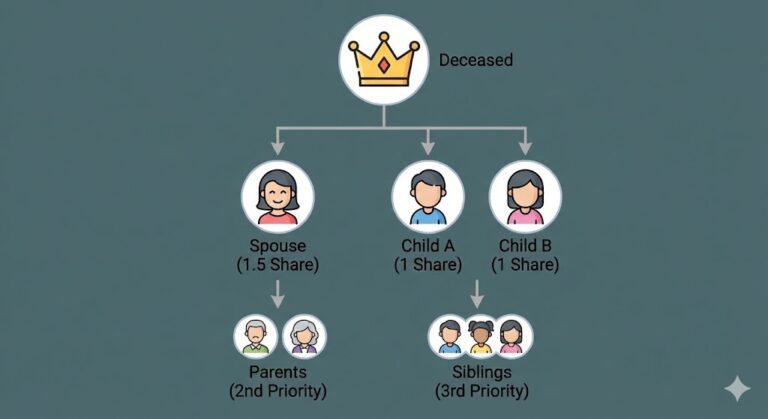
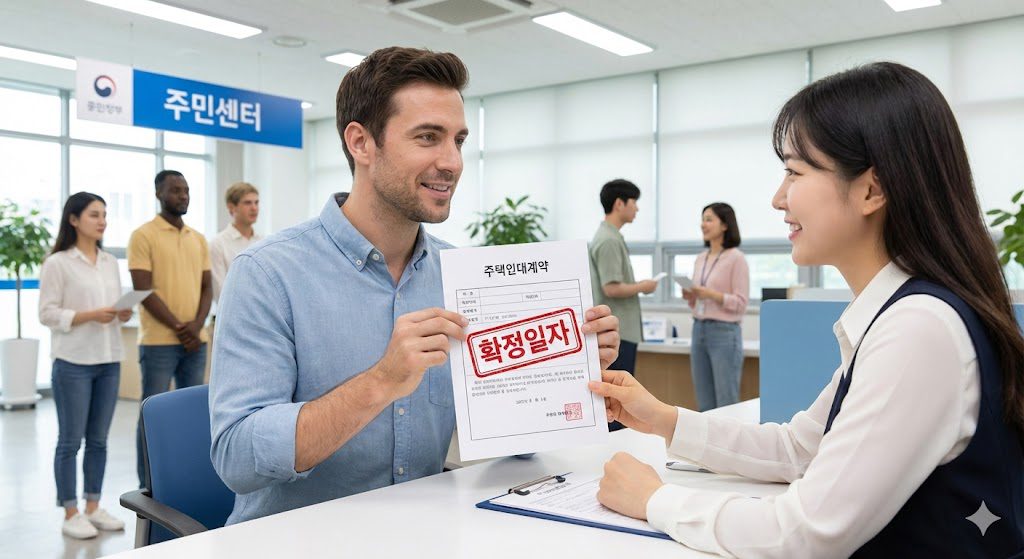
| 2. Fixed Date | Hwak-jeong-il-ja | A stamp from the Community Center or Registry Office on your contract. Together with Possession and Residence Report, it gives you Priority Repayment Rights over later creditors. |
| 3. Possession | Actual Residence | You must physically live in the property. If you move out before taking proper legal steps (for example, applying for an “Leasehold Registration Order”), your legal “Shield” (priority against new buyers and creditors) disappears. |
💡 Lawyer’s Important Note: Never move all of your belongings out or change your legal address until you have received your deposit back or completed Step 2.2 below. If you completely move out too early, you may lose your legal “Shield” (Dae-hang-ryeok).
2. Step-by-Step Recovery Process: When the Landlord Won’t Pay
If your contract is ending (ensure you gave notice 2 to 6 months in advance) and the landlord refuses to pay, follow these steps:
Step 2.1: Content Certification (Naeyong-jeungmyeong)
This is a formal letter sent via the post office.
- Purpose: It serves as a strong psychological pressure and acts as official evidence in court that you demanded your deposit.
- Content: State clearly that if the deposit is not returned by [Date], you will pursue legal action, including a lawsuit and a claim for delay interest.
Step 2.2: Tenant’s Registration (Imchagwon Deunggi-myeonglyeong) – CRITICAL
If you must move out before getting your money, you must apply for this.
- Effect: It places a “warning mark” on the building’s Title Deed (Deunggi-bu).
- Benefit: Even after you move your 100% of your furniture and change your legal address, your Priority Repayment Rights and Opposing Power are legally maintained.
- Impact: Most landlords fear this because new tenants will see the “red flag” on the deed and refuse to move in, forcing the landlord to pay you.
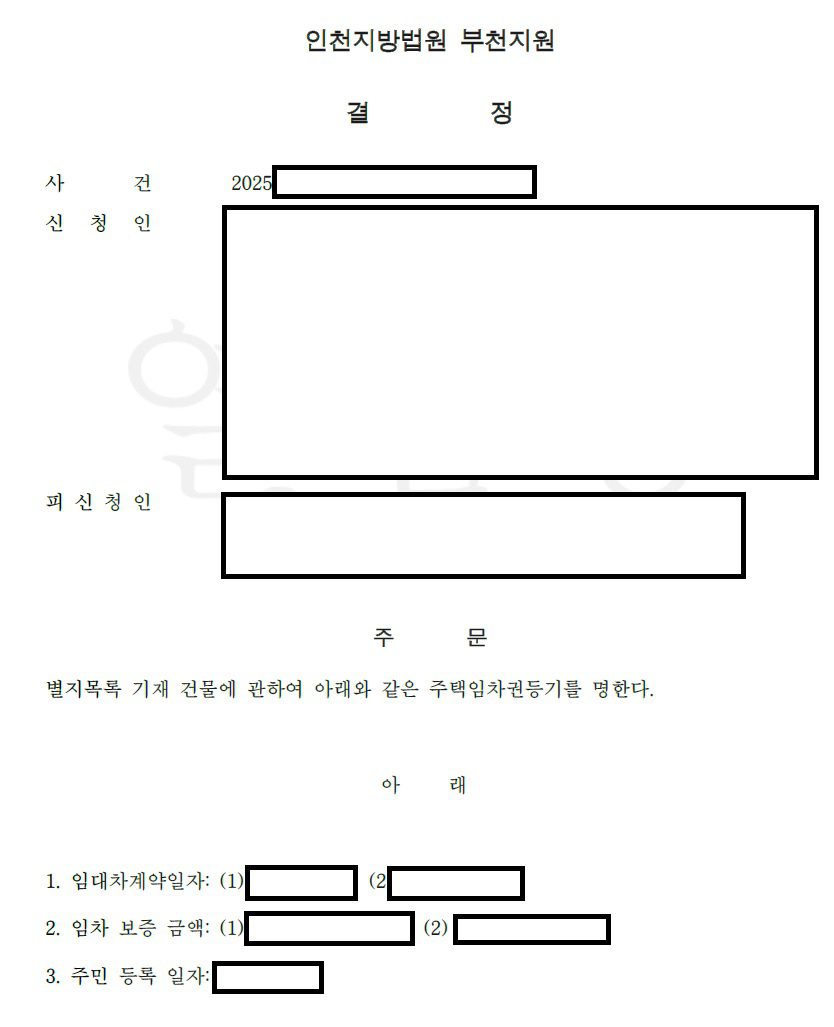
[This document is a formal Housing Leasehold Registration Order issued by the Bucheon Branch of the Incheon District Court in 2025. The court has officially ordered the registration of a leasehold for the building specified in the attached list to legally protect the tenant’s interests. The order explicitly records essential details of the tenancy, including the lease agreement date, the total lease deposit amount, and the tenant’s resident registration date. In the Korean legal system, this order is a crucial mechanism that allows a tenant to maintain their “opposing power” (legal seniority) and “priority repayment rights” over their security deposit, even after they physically move out of the property.]
Step 2.3: Deposit Return Lawsuit & Delay Interest
If the landlord still remains silent, a formal lawsuit is the final resort.
- Delay Interest: You can claim 5% per annum (under the Civil Act) for the period before the lawsuit is served, and 12% per annum (under the Special Act on Litigation) from the day after the complaint is served until the final payment.
- Legal Fees: If you win, you can often recover a significant portion of your attorney fees and court costs from the landlord.
3. Identifying and Avoiding Common Scams
| Scam Type | Description | Prevention Tip |
| “Canned” Jeonse (LTV) | Total debt + your deposit > 80% of the home value. | Check the Title Deed (Deunggi-bu) for “Collateral” (Geun-jeo-dang). |
| Trust Fraud | Property is owned by a Trust Co., but the individual landlord signs with you. | If you see “Trust” (Sin-tak) on the deed, you must check the Trust Ledger at the Registry Office. |
| Proxy Fraud | An agent signs a “Jeonse” but tells the owner it’s “Wolse.” | Always demand a video call with the owner and send money only to the owner’s bank account. |
4. Frequently Asked Questions (FAQ) for Expats
Q: The landlord says, “I’ll pay you when the next tenant moves in.” Is this legal?
A: No. The landlord’s obligation to return the deposit is absolute upon the end of the contract. It does not depend on a new tenant. However, remember that you also have the right to occupy the house until you get your money (Simultaneous Performance).
Q: My visa is expiring soon. Do I have to leave my money and go?
A: No. If you are in a legal dispute over your deposit, you may be eligible for a G-1 (Miscellaneous) Visa to stay and resolve the matter. Consult with a lawyer immediately before your current visa expires.
Q: Are there government supports for foreign victims of Jeonse fraud?
A: Yes. Under the Special Act on Jeonse Fraud Victims, foreigners can now apply for legal aid, emergency housing (up to 6 years), and interest rate support. The criteria are being expanded in 2026.
Q: What if the landlord disappears or won’t accept my messages?
A: We use a process called “Public Notice Service” (Gong-si-song-dal). The court will consider the documents “served” even if the landlord refuses to pick them up.
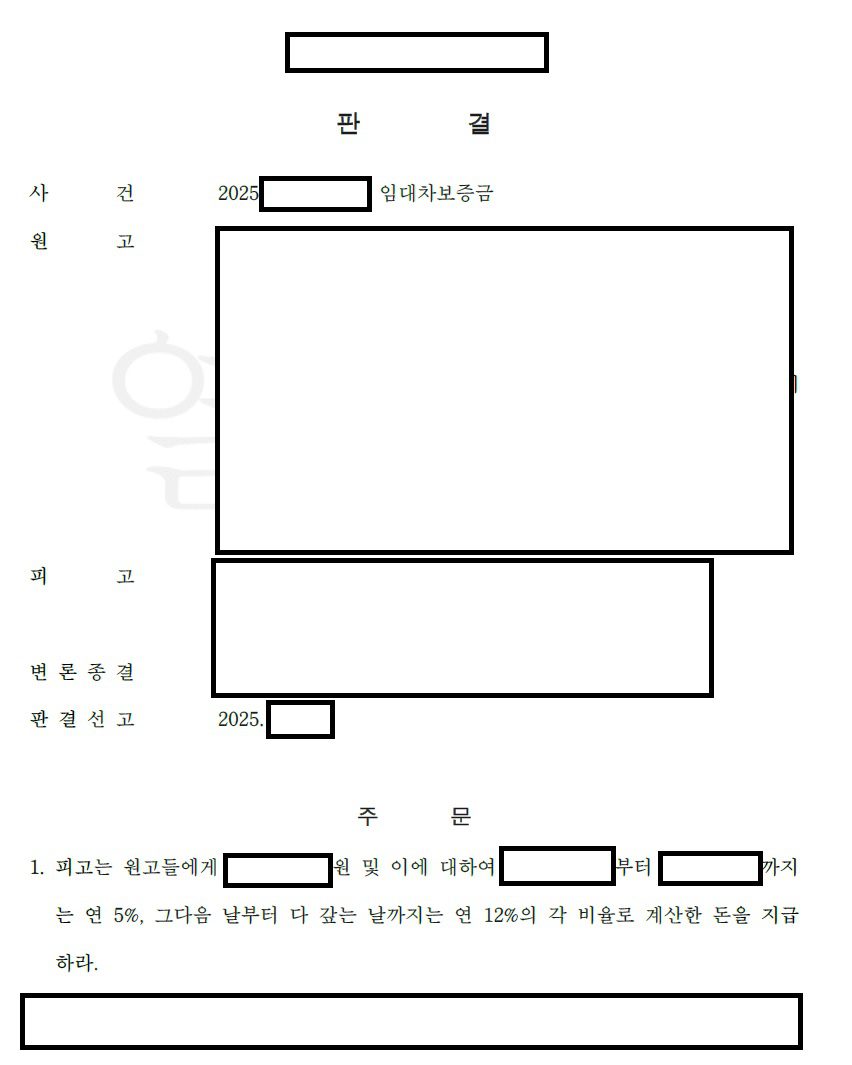
[This document is a 2025 court judgment regarding a lease deposit dispute, in which the court ordered the landlord to return the full deposit to the plaintiffs, plus a step-up interest rate of 5% and 12% per annum until the debt is fully settled. Whether it involves your workplace dignity or your life savings, these results demonstrate that we don’t just talk about the law—we ensure it delivers justice for the expat community.]
5. [Pre-Lease Checklist] Protect Yourself Today
- [ ] Verify the Title Deed (Deunggi-bu): Check for “Seizure,” “Trust,” or heavy “Collateral.”
- [ ] Compare LTV: Ensure (Collateral + Your Deposit) < 80% of the actual market price.
- [ ] Verify the Owner: Match the ID card with the name on the Title Deed.
- [ ] Residence Change Report: Submit it on the SAME DAY you get your keys.
- [ ] Fixed Date (Hwak-jeong-il-ja): Get it the SAME DAY you sign your contract.
💡 Lawyer’s Final Word
Many landlords assume expats won’t fight back because of the language barrier or visa complexity. However, the Housing Lease Protection Act applies equally to foreigners. Taking the right legal steps early is the fastest way to get your money back. If your landlord is avoiding you, don’t wait—professional intervention often resolves the issue before it even reaches a full trial.

📞 Need Immediate Legal Help?
If you are currently facing a deposit dispute, our firm provides expert legal representation for foreign residents.
⚠️ Disclaimer
This guide is for informational purposes only and is based on Korean laws as of February 2026. Legal outcomes may vary based on specific facts. Always consult with a lawyer for your individual case.
Contact LIBRO Global Client Services. [LIBRO] – English Speaking Legal Expert
Attorney Paul

![[외국인 전문 변호사][ENGLISH SPEAKING KOREAN LAWYER]](https://lawfirmlibro.com/wp-content/uploads/2026/02/Gemini_Generated_Image_fwxnfqfwxnfqfwxn-768x768.jpeg)